Wednesday, May 15, 2013

The Baggies’ Great Escape

English Premier League competition of 2004/2005 season marked several highlights in the history of British football. After 50 years of waiting, Chelsea finally topped the league table at the end of the season. It was a quite of an achievement for The London Blues under José Mourinho on his first season in English football. A couple of weeks before claiming the league title, they won the league cup.

On the other side of London, Arsenal had to face the fact that not only had they failed to defend their title, but also that Man. United broke their 49 unbeaten run from the previous season. But at least they managed to secure the FA Cup title (which is still their last ever major silverware to date) by beating the same unbeaten-record-breaking side at the final, which led to a title-less season for Sir Alex’s boys.

But the most interesting part of that season for me, was the story of “The Great Escape.”

tower.com
For the first time in Premier League history, there were no teams yet mathematically relegated on the last fixtures of the season. It was a battle royale for 4 teams at the bottom part of the table, whereas only 1 team could survive the relegation. At week 38, Norwich City was on the 17th spot (the last safe spot from relegation) with 33 points, followed by Southampton and Crystal Palace with 32 points on 18th and 19th accordingly, while West Bromwich Albion was on the least advantaged position, 20th with only 31 points.

Norwich had to face Fulham away to Craven Cottage; Crystal Palace went to The Valley against Charlton Athletic. Compared with other contenders, Southampton had the toughest challenge at St. Mary’s to face Man. United, while West Brom’s chance to survive was only to beat Portsmouth at their ground The Hawthorns. With those fixtures, each contending teams relied on each other’s results to survive. The matches were being held simultaneously, which made it more exciting to follow. 

On the last 90 minutes of the season, the bottom table had a lot of up-and-down movements. Surprisingly, Southampton took the holeshot and went to the safe zone on the 10th minute following John O’shea’s own goal. At almost the same time, Norwich went down 0-1.

10’
17. Southampton (35 points, GD -19)
18. Norwich (33 points, GD -30)
19. Crystal Palace (32 points, GD -21)
20. West Brom (31 points, GD -23)

Southampton’s lead didn’t last long, though. Darren Fletcher scored the equalizer at 19th minute. At The Valley, Charlton went ahead of Crystal Palace with a goal by Bryan Hughes. While at Craven Cottage, Papa Bouba Diop made it more difficult for Norwich as he scored the second goal for Fulham at 35th minute. At the first half break, by the preferred regulation of goal difference in English Premier League, Southampton led the survival.

45’
17. Southampton (33 points, GD -20)
18. Norwich (33 points, GD -31)
19. Crystal Palace (32 points, GD -21)
20. West Brom (31 points, GD -27)

Along came the second half, the contest had gotten more exciting. Zat Knight made the situation worse for Norwich as he scored the third goal for Fulham at 54th minute. West Brom’s hope was raised at 58th minute when Geoff Horsfield took The Baggies to lead. Dougie Hall scored an equalizer for Crystal Palace at almost the same minute with Horsfield's goal and aligned 3 teams with 33 points at the bottom three, while West Brom jumped over them to the safe zone.

58’
17. West Brom (34 points, GD -26)
18. Southampton (33 points, GD -19)
19. Crystal Palace (33 points, GD -21)
20. Norwich (33 points, GD -32)

At the 63rd minute, Ruud van Nistelrooy brought United ahead of Southampton and made the Saints’ task even more difficult. Destiny turned its face to the Eagles at 71st minute. Andy Johnson netted his 21st goal of the season from the spot and took Crystal Palace ahead of Charlton. Down by 3 goals made Norwich’s spirit broke down even deeper. At 72nd minute, they suffered another goal from Steed Malbranque and made it 0-4 for the Canaries. At this point, Southampton bumped into the bottom of the table, while Crystal Palace would had survived.

72’
17. Crystal Palace (35 points, GD -20)

18. West Brom (34 points, GD -26)
19. Norwich (33 points, GD -33)
20. Southampton (32 points, GD -21)

bbc.co.uk
The last 15 minutes of the season was a heart pumping moment for Southampton, Crystal Palace and West Brom. Kieran Richardson scored another goal for The Baggies and brought a seemingly-comfortable 2-0 lead against Portsmouth. At St. Mary’s, Southampton went all out and put an all-offensive formation. Crystal Palace lost their focus and let Jonathan Fortune equalized for Charlton at 82nd minute. While Norwich seemed to raise the white flag after Fulham’s fifth goal put the Canaries into their cage.

82’
17. West Brom (34 points, GD -25)
18. Crystal Palace (33 points, GD -21)
19. Norwich (33 points, GD -33)
20. Southampton (32 points, GD -21)


West Brom were only trying to secure the 2-0 result. Southampton and Crystal Palace were struggling and called an all-out attack on their opponents to score more goals. At the last minute of the season, the results at The Hawthorns, The Valley, and St. Mary’s stood still, while Craven Cottage celebrated one last goal for 6-0 victory.

Full time
17. West Brom (34 points, GD -25)
18. Crystal Palace (33 points, GD -21)
19. Norwich (33 points, GD -35)
20. Southampton (32 points, GD -21)


It was a joyful moment at The Hawthorns. West Bromwich fans massively invaded the pitch as if they were the league’s champions! Mission impossible became mission accomplished for Bryan Robson’s boys. Their desperation has turned into delight after 90 minutes of football.

The Great Escape called for massive pitch invasion
commons.wikimedia.org

Before the referee blows the final whistle, anything can happen in football. Joy can turn into sorrow, and vice versa. The point is, we should not lose hope if the situation is not on our advantage. Pull the best out of us to turn disadvantage into a memorable moment.

And that’s the story of the 2005 Baggies’ Great Escape.

Saturday, May 4, 2013

2013: Troublesome Season for Persija

Throughout the history of Indonesian football, Persija is one of the most decorated club in the country. They're the club of the nation's capital, and yes, they do have had their times of success back in the day. On the Indonesian League era, they won the 2001 edition and for a couple of times they came close to add more silverware in their trophy case. Along came the Indonesian Super League (ISL) era, their success story has been put on a break. On the first 4 editions, the Kemayoran Tigers had never been on the top-two, and it's getting worse on the current season (2013).

www.bolanews.com

Halfway through the 2013 season, Persija is still struggling at the bottom of the table with only 12 points collected from 17 matches. Compared with the previous seasons, it's obviously a signal that they're having a serious problem. In my opinion, it's not merely caused by the lack of character and mentality when they play the game on the pitch.


bola.kompas.com
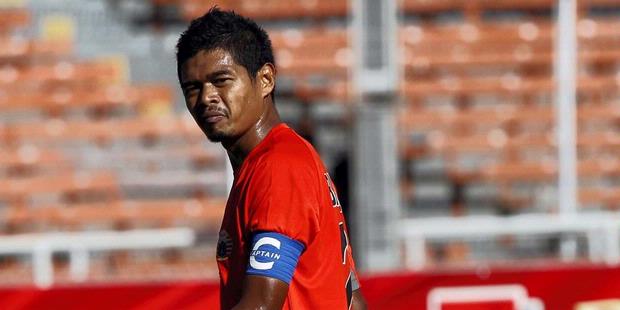
Before the season began, there were several players refused to continue their stay in the club. They were questioning about their payments in which the club's management has failed to fulfill. Some of them are key players like Ismed Sofyan and the iconic Bambang Pamungkas. They managed to convince Ismed to stay, though, but the same spell did not work on Bambang and other promising young players like Hasim Kipuw and Ramdhani Lestaluhu.

Players' payroll is one of the major problem in Indonesian football. When the All Indonesian Football Union (PSSI) decided to "go-pro" with ISL, the participating clubs seemed unprepared, especially in terms of financial independence. Some clubs survived the initial test, though, but unfortunately not for Persija.

Regarding this matter, first question surfaces: what's wrong with Persija?

As I stated before, Jakarta is the capital of the Republic of Indonesia. It is the central of governmental, business and industrial activities of the country. There are so many local and multinational corporations reside in Jakarta. But it seems that Persija's management failed to take advantage from the fact. Compared to their archrival Persib, Persija has more space on their jersey, which means they have less sponsors than their nemesis. But that's only one thing.

For a couple of times, Persija had to play their home game outside Jakarta. Some of the ridiculous reasons are because of governmental or political activities coincide with the matchday, or the matchday itself coincides with other occasion that takes place in their home base, the sacred Gelora Bung Karno Stadium. Recently they had to play 2 home matches away in Central Java just because the stadium was booked for a South Korean boy band concert *true story. Instead of playing in their traditional home base at Lebak Bulus stadium, they preffered to wander hundred of kilometers away, which obviously means more expenses on transportation and logistics, and less revenue from ticketing. Even worse, when they have the chance to play in their home stadium, the local authorities put a restriction to the fans to come to the stadium!

Then how the hell can they get income?? How are they going to pay their players and staff with so little sponsor, no revenue from matchday ticketing and without any subsidized funding from local government??

timnasgaruda.com

For me, it's all about management. A club can survive and continue their existence if it's built under a strong and professional management. See the likes of Persib, Persipura, Sriwijaya, Persisam, and Arema. Their management know how to maximize their fans' fanaticism and convert it into additional number on their 'income' column. I'm sure Persija's management can do the same. As long as they can see the advantages right in front of their nose, and put more effort to pursue them.


tribunnews.com
From what I've been learning, as a Persija fan (not a registered JakMania, though), is that Persija's management seems to pay less attention to their fans. I can see that JakMania is a loyal and fanatic group of supporters. It seems like there's no good communication pipeline established between the management and the fans, which causes difficulties to the fans to contribute more.


Pramuaji "Ajay"

Wednesday, March 20, 2013

Kompetisi Sepak Bola Nasional Pasca KLB 2013

sumber: bola.kompas.com

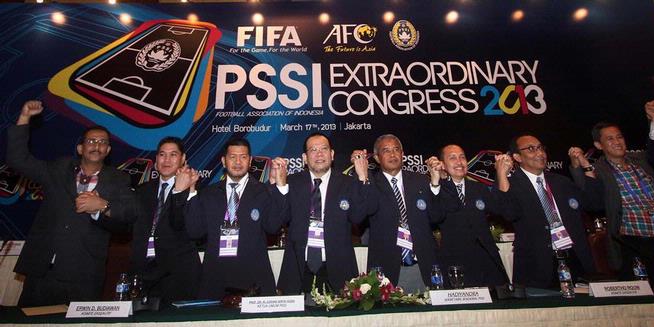
Kongres Luar Biasa (KLB) Persatuan Sepak bola Seluruh Indonesia (PSSI) telah selesai dilaksanakan, Minggu (17/3). Meskipun sempat terjadi cekcok terkait peserta dan diwarnai dengan insiden walk-out dari beberapa anggota Executive Committee (ExCo), KLB berhasil merampungkan bahasan-bahasan yang diagendakan. Salah satu agendanya adalah rencana penyatuan kompetisi liga.

Terkait agenda penyatuan kompetisi liga, keputusan yang dihasilkan adalah:

  1. Kompetisi Indonesian Super League (ISL) dan Indonesian Premier League (IPL) akan menyelesaikan sisa kompetisinya masing-masing di musim kompetisi yang sedang berjalan sekarang (2013).
    sumber: musikji.net
  2. Musim depan (2014) kedua liga digabung dengan jumlah peserta 22 klub di kasta tertinggi, yang pesertanya diambil dari 18 klub ISL + 4 klub teratas IPL (tidak berlaku bagi klub yang masih mengalami dualisme kepengurusan). Di musim ini, akan diberlakukan sistem 4 degradasi + 2 promosi.
  3. Musim kompetisi 2015, akan ada 20 klub di kasta tertinggi kompetisi liga Indonesia. Di musim ini, akan diberlakukan sistem 4 degradasi + 2 promosi.
  4. Musim kompetisi 2016 dan seterusnya akan diikuti oleh 18 klub di kasta tertinggi, dengan sistem 3 degradasi + 3 promosi.
  5. Liga gabungan musim depan (2014) akan dikelola oleh PT. Liga Indonesia (PT. LI).
Keputusan-keputusan tersebut diambil guna menyelesaikan masalah dualisme yang sebelumnya menjadi cikal bakal dari konflik antara PSSI dan Komite Penyelamat Sepak bola Indonesia (KPSI), khususnya dualism kompetisi.

Menarik untuk dibahas adalah pengelolaan kompetisi untuk liga gabungan musim depan.

Meskipun belum ada keputusan lebih lanjut, kompetisi yang akan diikuti oleh 22 klub tersebut kemungkinan besar akan memberlakukan format 1 wilayah. Jika kita kembali ke awal kisruh PSSI-KPSI pada akhir tahun 2011 lalu, pihak-pihak yang pada waktu itu menjadi pionir dibentuknya KPSI merasa keberatan dengan keputusan PSSI yang mengikutsertakan 24 klub dengan format 1 wilayah di bawah kendali PT. Liga Prima Indonesia Sportindo (PT. LPIS). Keberatan tersebut tidak digubris oleh PSSI sehingga akhirnya pihak-pihak tersebut membentuk KPSI dan menyelenggarakan ISL.

Pada dasarnya, keberatan tersebut cukup beralasan mengingat jumlah peserta yang mencapai 24 akan mengharuskan setiap klub pesertanya mengarungi jadwal yang sangat padat. Dalam 1 musim akan ada 552 pertandingan, di mana 1 klub harus bertanding sebanyak 46 kali, kandang dan tandang. Belum lagi melihat bentang geografis Indonesia yang luas yang akan membuat  klub harus melewati perjalanan jauh sebelum bertanding. Juga, masalah biaya operasional yang tentunya akan membengkak seiring jumlah pertandingan yang semakin banyak.

Keputusan untuk mengikutsertakan 22 klub untuk liga gabungan musim depan kemungkinan besar akan memunculkan kompleksitas yang tidak jauh berbeda. 22 klub berarti akan ada 462 pertandingan, di mana masing-masing klub peserta akan bertanding sebanyak 42 kali dalam semusim. Di musim kompetisi IPL musim lalu, PT. LPIS menghadapi banyak sekali kendala meskipun peserta kompetisi hanya berjumlah 12 klub. Entah apa yang akan terjadi jika jumlah 24 klub tetap dipaksakan. Sementara di sisi lain, meskipun masih ada banyak sekali kekurangan, ISL yang diselenggarakan PT. LI dapat dikatakan lebih sukses dalam menjalankan kompetisi musim lalu.

Menarik untuk dilihat, upaya yang akan dilakukan oleh PT. LI dalam menyelenggarakan kompetisi liga dengan 22 klub peserta musim depan. Apakah pengalaman mereka selama beberapa musim terakhir mengelola dan mengoperasikan ISL dengan 18 klub peserta dapat mendukung tanggung jawab mereka untuk menyelenggarakan kompetisi dengan lebih baik?

Salam,

Pramuaji "Ajay"

Wednesday, March 13, 2013

Kelirumologi: e-KTP


Dalam beberapa tahun terakhir, Pemerintah Dalam Negeri mencanangkan suatu program terkait identitas kependudukan bagi Warga Negara Indonesia. Program tersebut berupa pembaruan fungsi, teknologi, tampilan dan bentuk fisik dari Kartu Tanda Penduduk (KTP). Melalui program tersebut, pemerintah menghimbau penduduk Indonesia untuk mengganti KTP lamanya dengan KTP baru yang dilengkapi dengan perangkat elektronik. KTP baru ini dikenal dengan sebutan e-KTP (baca: i-katépé). Diharapkan dengan e-KTP ini, penduduk Indonesia dapat lebih praktis dalam mengurus segala hal administrasi maupun birokrasi yang membutuhkan keterangan identitas aslinya.

e-KTP
sumber: kabar4.com
Namun, sadarkah anda akan adanya suatu kekeliruan terkait e-KTP ini?

Istilah 'e-KTP' diadopsi dari istilah teknologi yang sudah umum berlaku, di mana 'e' dalam istilah tersebut kependekan dari 'electronic'. Saya yakin anda sudah awam dengan istilah e-mail, yang berarti surat elektronik (electronic mail) atau e-money yang berarti uang elektronik (electronic money).

Dalam pengucapan bahasa Inggris, huruf 'e' berbunyi 'i', sehingga e-mail jika diucapkan berbunyi imeIl, dan e-money berbunyi imaniy. Sementara itu, seperti yang sudah saya jelaskan sebelumnya, e-KTP diucapkan oleh banyak orang dengan bunyi i-katépé, dan itu keliru!

Kekeliruan ini muncul akibat inkonsistensi pelafalan huruf penyusun kata e-KTP. Huruf 'e' diucapkan dengan pelafalan English, sementara 'KTP' diucapkan dengan pelafalan Bahasa Indonesia. Akan lebih tidak keliru jika kita konsisten dalam pelafalan. Menggunakan pelafalan English menjadi ike:ytipi, atau pelafalan Bahasa menjafi ékatépé. Karena pada dasarnya singkatan 'e' yang berarti 'electronic', jika diterjemahkan ke Bahasa, akan menjadi 'elektronik'. Sama saja.


i-radio
sumber: maylaffayza.multiply.com
Kekeliruan ini muncul juga pada penamaan saluran radio 'I Radio', yang khusus memutar lagu-lagu lokal. Namun, oleh para penyiarnya, saluran tersebut dilafalkan 'i re:diou'. Hal ini juga terjadi dalam pelafalan iklan saluran radio tersebut, di mana 'radio' diucapkan dengan pelafalan English, sementara 'I' tetap dilafalkan dalam Bahasa. Seharusnya, jika mau konsisten dengan English, maka pelafalannya menjadi 'ai re:diou'. Atau kalau mau menggunakan pelafalan Bahasa, menjadi 'i radio'.


Cheers :)
Pramuaji "Ajay"

Thursday, January 31, 2013

Note from January 2013

January 2013 was an unforgettable month in my life. Starting that month, my life has changed. While my life lost something, I myself lost someone who was very important to me.

Sometimes I think that he’d only missed his mom (grandma) and dad (grandpa), so that he wanted to visit them, and then eventually he’d decided to stay with them. Well, it’s time for him to rest. He can certainly trust me to take care of mom and his two daughters. I’m sure of that because he taught me very well on everything throughout my life and his. Every simple or complicated things that will be very useful for the rest of my life.

I knew he wasn’t perfect. He made mistakes. Sometimes I got mad at him or even resent him. Now, remembering those times made me sad and regretful. But I’m sure he forgave me for that. 

Maybe I’ve never heard it directly from him, but I’m sure that he was very proud of me. I’ve heard the words coming from his friends and colleagues. I’m very glad for that. 

I’m also glad that I could spend his last minutes sitting next to him. I’m sure that he had heard all the things I’ve whispered to his ear before his last breath. 

I miss those times we’ve had when we watched football together. I miss those times when we’ve had dinner together with mom and your two daughters. I miss those times we’ve spent talking in the car ride to somewhere… But certainly, I miss him. 

Every night I send him prayers. I pray for his eternal rest to be peaceful, and for his family to be strong. I’m sure Allah SWT will hear those prayers. 

Take care of yourself up there, Dad.. Please send my best regards to Grandma and Grandpa. We’ll meet again, eventually.. :’) 

Sincerely, 

Your son, Pramuaji.

Sunday, December 2, 2012

Kelirumologi: 'Persija Jakarta', 'Persib Bandung'

Thought terkait: What's In A Name

Salah satu keunikan sepak bola Indonesia terletak pada penamaan klub-klub profesional. Seperti yang kita ketahui, nama-nama klub sepak bola Indonesia kebanyakan berupa singkatan atau akronim yang diawali oleh huruf ‘P’, seperti PSIS, PSMS, Persija dan Persib. Hal ini muncul karena klub-klub tersebut merupakan ‘warisan’ dari era kompetisi Perserikatan. Klub-klub peserta kompetisi Perserikatan didirikan dan dibina oleh pemerintah daerah di masing-masing domisili klub yang bersangkutan. Sehingga, mau tidak mau, klub harus membawa identitas daerahnya di dalam penamaannya.

Hampir seluruh klub profesional di Indonesia sekarang memiliki nama dengan diawali singkatan ‘P’ atau akronim ‘Per’. Kepanjangan dari singkatan dan akronim tersebut adalah ‘Persatuan’.

Setelah singkatan ‘P’ dan akronim ‘Per’, biasanya dilanjutkan dengan singkatan ‘S’ atau akronim berawalan ‘s’ yang merupakan kependekan dari ‘sepak bola’.

Selanjutnya, beberapa klub ada yang menggunakan singkatan ‘I’ atau akronim ‘i’ yang berarti ‘Indonesia’. Umumnya, nama klub diakhiri dengan singkatan atau akronim nama daerah tempat di mana klub berdomisili. Berikut contohnya:


PSIS
Persatuan Sepak bola Indonesia Semarang


PSDS
Persatuan Sepak bola Deli Serdang


Persidafon
Persatuan Sepak bola Indonesia Dafonsoro


  Persebaya
  Persatuan Sepak bola Surabaya


Dalam hal penyebutan nama-nama klub tersebut, kita sering mendengar komentator berucap, “Persija Jakarta akan berhadapan dengan Persib Bandung..” atau melihat tulisan “PSM Makassar” dan “Persita Tangerang”. Kita biasanya tidak sadar bahwa sebetulnya penyebutan seperti itu adalah keliru. Karena dari pola penamaan dengan singkatan dan akronim seperti yang sudah saya jelaskan sebelumnya, “ja” dalam “Persija” adalah singkatan dari “Jakarta”, “b” dari “Persib” adalah singkatan dari “Bandung”. Sehingga, keliru jika kita menyebut “Persija Jakarta” atau “Persib Bandung”, yang kalau dipanjangkan menjadi “Persatuan Sepak bola Indonesia Jakarta Jakarta” dan “Persatuan Sepak bola Indonesia Bandung Bandung”. Begitu juga dengan “PSM Makassar” dan “Persita Tangerang” yang kalau dipanjangkan akan menjadi “Persatuan Sepak bola Makassar Makassar” dan “Persatuan Sepak bola Indonesia Tangerang Tangerang”.


Namun, meskipun keliru, penyebutan tersebut kadang membantu kita untuk memperjelas, terutama untuk klub-klub dengan singkatan atau akronim yang sama. Contohnya seperti “Persiba”, di mana “ba” bisa berarti “Bantul” atau “Balikpapan”.


Kekeliruan dalam hal penyebutan singkatan dan akronim klub sepak bola sama dengan kekeliruan yang sering muncul dalam penyebutan singkatan bank. Sering kita dengar pengucapan “Bank BNI”, “Bank BCA”, atau “Bank BRI”. Padahal, huruf “B” dari nama-nama bank tersebut adalah singkatan dari kata “Bank”. Sehingga kalau kita bilang, “Bank BCA,” sebetulnya kita berkata “Bank Bank Central Asia.”

Kita tidak akan pernah bisa menghindar dari kekeliruan. Tetapi jika kekeliruan yang kita buat bisa membantu kita dalam berkomunikasi, tidak ada salahnya jika kita mentolerir kekeliruan tersebut.

Cheers,
Pramuaji “Ajay”

*pics courtesy of:
divisiutama.co.id
id.wikipedia.org
weltfussballarchiv.com 
persibabantul.wordpress.com